
Do I Really Practice What I Preach?
The Truth About Discipline, Identity and Consistency
It’s a question I’ve asked myself more than once.
Not as a headline or something to write about, but in quieter moments—when everything slows down and you’re left with your own thoughts. When there’s no audience, no expectation to perform, just a need to be honest with yourself, Because when your work is centred around mindset, leadership, wellbeing and growth, there is an unspoken pressure that comes with it. A sense that you should have it all figured out. That you should live in constant alignment with everything you teach. That when life gets difficult, you instinctively know what to do and, more importantly, you do it.
If I’m honest, that pressure doesn’t just come from other people. It builds internally. You find yourself thinking, “You should know this. You teach this. You help others through this, so why is this hard for you?”
And that’s where the question really lands.
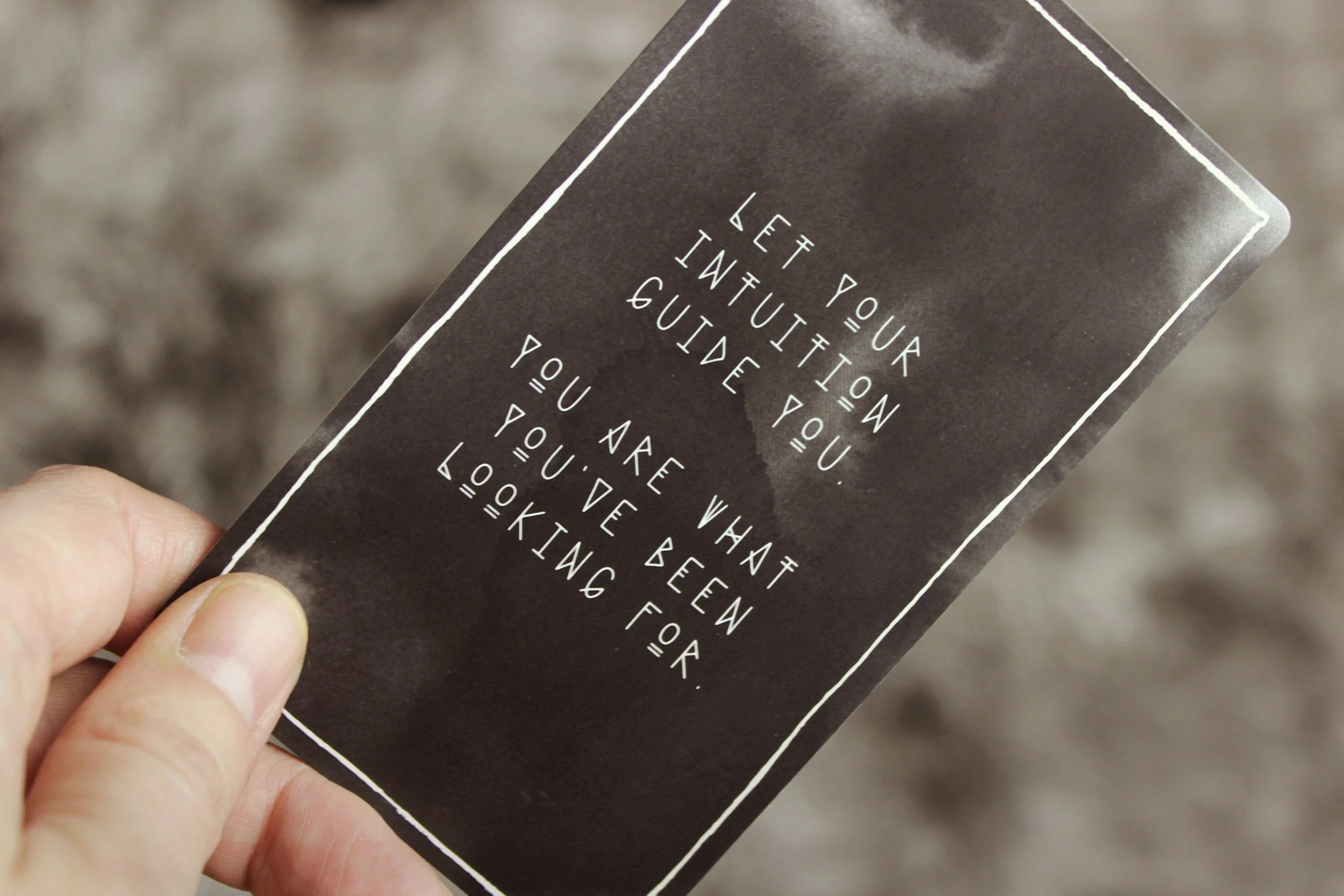
Do I actually practice what I preach?
The answer is yes—but not in the polished, effortless way people might imagine.
The reality is far more grounded than that. It’s built in small, often unremarkable moments. It’s built in the decisions that no one sees.
Yesterday morning was a good example.
My alarm went off at 5:30am. There was nothing particularly inspiring about it. No sudden surge of motivation or excitement. Just a quiet decision to get up. That’s something I’ve come to understand deeply—discipline doesn’t feel like motivation. It feels like repetition. I started with coffee, as I always do. It’s a simple ritual, but it creates a moment of ownership over the day before anything else begins. Then I moved straight into exercise. Weights, movement, waking my body up properly. Not because I felt like it in that moment, but because I know what it gives me afterwards—clarity, energy, a sense of control. After that came stillness. A short period of meditation to ground myself before the pace of the day picks up. Again, not because it’s always profound or perfect, but because it creates space.
Then I moved into work. An hour on each of my businesses. Three in total. No overthinking, no waiting to feel ready, no negotiation with myself about whether I was in the mood. Just doing what I said I would do. That’s the part that often gets overlooked. People see outcomes. They see confidence, structure, momentum. What they don’t see is the discipline that sits underneath it—the repeated decision to follow through, even when it would be easier not to.
At some point, I added a bit of adrenaline into the mix, because life isn’t just about control and routine. It’s about feeling alive too. And then I sat down for twenty minutes with Authentic Happiness. Not because I haven’t read it before, but because staying connected to what you believe in requires intention. Learning isn’t something you complete once. It’s something you return to.
By the time I was ready for the day, nothing about it would have looked extraordinary from the outside. But internally, there was a sense of alignment. And that’s what matters. It would be easy to stop the story there. To present that as the standard. But that wouldn’t be honest. because there have also been times where everything has gone completely off track. Moments where the structure slipped, where the routines fell away, where clarity was replaced with overwhelm. And in those moments, the hardest part wasn’t the situation itself. It was the weight of expectation that came with it.
The belief that I should have it all figured out. That I should know exactly what to do. And the truth is, I did know what to do. That was never the issue.
The issue was that I couldn’t always do it.
That distinction is important, because it’s where so many people quietly struggle. Knowing something and being able to apply it consistently are two very different things. You can understand mindset, resilience, emotional regulation. You can teach it, coach it, guide others through it. And still find yourself in a moment where accessing it feels out of reach. Because when you’re in the middle of something difficult, your system doesn’t always respond to knowledge. It responds to pressure, to emotion, to whatever feels most immediate and overwhelming. That’s where the gap between knowing and doing becomes real. And that’s where self-judgement creeps in.You start telling yourself that you should be better than this. That you should be able to handle it. That something isn’t adding up. But awareness doesn’t remove human experience. It doesn’t exempt you from difficult moments. What it does is give you a way back.
There were periods where everything I had built—my structure, my mindset, my routines—felt like it was slipping. And in those moments, I wasn’t showing up as the coach or the expert. I was just navigating something challenging, trying to hold things together and keep moving forward. I still knew the tools. I still understood what would help. But knowing didn’t mean I could immediately implement it. And that’s the part that needs more honesty. Sometimes the work isn’t about doing everything right. Sometimes it’s about doing something—anything—that keeps you moving forward, even if it’s smaller than you’d like. That experience forced me to rethink what it actually means to practice what you preach, because it isn’t about perfection. It isn’t about always showing up at your best. It’s about your ability to come back.
Again and again.
Even when it’s messy. Even when it’s slower. Even when you feel like you’ve taken a step backwards. Practice is getting up when you don’t feel like it. It’s following through on something small when everything feels heavy. It’s choosing to reconnect with your routine, your habits, your standards—without needing it to be perfect. and sometimes, practice is simply getting through the day without completely checking out on yourself. That’s where confidence is really built. Not in the visible moments, but in the quiet ones.
In the early mornings. In the repeated decisions. In the promises you keep to yourself. Confidence isn’t a personality trait. It’s evidence. It’s built by showing yourself that you can rely on you. Not because you never fall off track, but because you trust yourself to return.
Right now, I’m leaning into that intentionally.I’ve set myself a seven-day discipline streak. Not for appearance or external validation, but for energy, clarity and identity. Because this is where change actually happens. Not in big declarations, but in repeated actions.
For seven days, the focus is simple. Show up. Follow through. Do what I said I would do. Wake up when I planned to, stick to my routine, eat in a way that fuels me, move my body, complete what I start and avoid the habits that pull me off track.
And when my mind inevitably pushes back—because it will—the work is to stay the course.
Not perfectly, but intentionally. Because this isn’t about getting everything right. It’s about building a pattern. One day becomes two. Two becomes seven. And over time, those patterns start to shape identity. You stop forcing it. You start living it. Your thinking shifts. Your standards rise. And without needing to say it out loud, something changes internally. You begin to see yourself differently.
That’s the real shift—from knowing to becoming. Because information doesn’t change your life. Action does. Repeated, consistent, aligned action.
So, do I practice what I preach?
Hell Yes.
Not perfectly, not effortlessly, and not without moments where everything feels like it’s slipping. but consistently.In the choices I make. In the routines I return to. In the discipline I build, even when it would be easier not to. And in the willingness to keep coming back to the version of myself I’m committed to becoming. If any of this resonates, then you’ll already know this isn’t about needing more information. Most people already know what they need to do.
The challenge is doing it consistently. Following through. Staying the course when it becomes uncomfortable. That’s the work I do with people every day. Not surface-level motivation or quick fixes, but real, sustainable change at identity level.
If you’re ready to stop starting over and build something that actually lasts, then this is where it begins.
www.daniellerowleycoaching.com