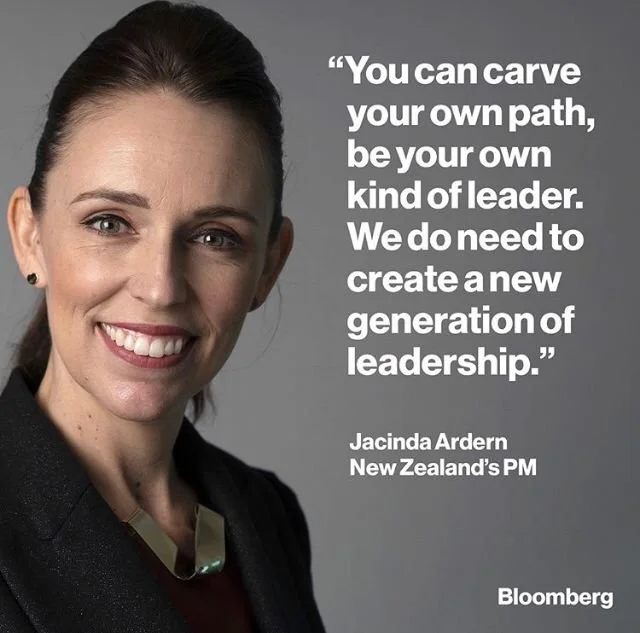

Stop talking about being a good leader. Be one.
That has to be more than a phrase. It has to be visible in how people feel around you, how safe they are to speak, how mistakes are handled, how pressure is carried, and how humanity is treated at work.
A psychologically safe team is not built through posters, values on walls, or leaders saying the right things in meetings. It is built in the everyday moments. In tone. In behaviour. In reaction. In whether people feel judged or understood. In whether they are competing for survival or collaborating for success.
The narrative present in your team becomes your culture.
People talk. People watch behaviour. People interpret attitude. People judge. That is how human beings make sense of where they fit, where they stand, and whether they are safe. But what happens when behaviour is not simply “bad attitude” or “poor performance”? What happens when behaviour is shaped by trauma, chronic pressure, insecurity, fear, burnout, or a culture of competition with no real purpose except point scoring?
Too often organisations focus on what is wrong with people before they ever ask what has happened to them, what is happening around them, or what the system itself is reinforcing.
I love this work because I believe we have to stop reducing culture to blame.
While everyone is busy focusing on what is wrong with the organisation, not enough people are focusing on what is right. Not enough people are building from strength. Not enough people are intentionally shaping the emotional climate that allows resilience, trust, and sustainable performance to grow.
So change the narrative that tells the story. Create optimism.
Change the feelings that drive the behaviour. Create hope.
Change the behaviour that shapes the culture. Create efficacy.
Then change the culture.
Psychological safety does not mean lowering standards. It means creating conditions where people can meet them without living in fear. It means understanding what impacts resilience and actively protecting it. It means recognising that control, trust, fairness, belonging, recovery, and meaning all matter. It means leading in a way that helps people feel safe enough to think clearly, contribute honestly, and work well together.
If you want a better team, do not just ask people to behave differently.
Ask what kind of environment you are creating.
Because leadership is not what you say you value.
Leadership is what your team experiences